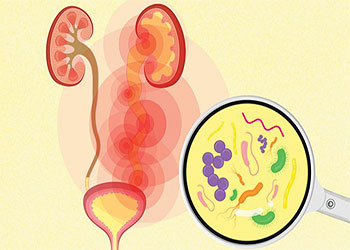
Urinary tract infections (UTIs) are among the most common bacterial infections, affecting millions worldwide each year. They occur when bacteria enter the urinary tract, leading to discomfort and potential complications if left untreated. Understanding the causes, recognizing the symptoms, and implementing preventive measures are crucial steps in maintaining urinary health.
What is a UTI?
A UTI is an infection that can involve any part of the urinary system, including the kidneys, ureters, bladder, and urethra. Most infections involve the lower urinary tract—the bladder and the urethra. Women are at a higher risk of developing UTIs than men, primarily due to anatomical differences.
Causes of UTIs
The primary cause of UTIs is the entry of bacteria into the urinary tract. Escherichia coli (E. coli), commonly found in the gastrointestinal tract, is responsible for the majority of cases. Factors that can increase the risk of developing a UTI include:
Sexual activity: Increases the chances of bacteria entering the urethra.
Certain types of birth control: Using diaphragms or spermicidal agents can elevate risk.
Menopause: Decreased estrogen levels can alter the urinary tract, making it more susceptible to infections.
Urinary tract abnormalities: Structural issues can impede urine flow, fostering bacterial growth.
Catheter use: Prolonged use of urinary catheters can introduce bacteria into the urinary tract.
Symptoms of UTIs
Common symptoms include:
A strong, persistent urge to urinate.
A burning sensation during urination.
Passing frequent, small amounts of urine.
Cloudy or strong-smelling urine.
Pelvic pain, especially in women.
In older adults, symptoms may be less typical, such as confusion or fatigue, and may not include the classic signs mentioned above.
Complications if Left Untreated
While most UTIs are not serious, if left untreated, they can lead to severe health issues, including:
Recurrent infections: Experiencing multiple episodes within a year.
Permanent kidney damage: Due to an untreated kidney infection.
Sepsis: A life-threatening response to infection, especially if the infection spreads to the kidneys.
Prevention Strategies
To reduce the risk of developing a UTI:
Stay hydrated: Drinking plenty of water helps dilute urine and ensures regular urination, flushing bacteria from the urinary tract.
Practice proper hygiene: Wipe from front to back after urination or bowel movements to prevent bacteria from entering the urethra.
Urinate after sexual activity: This helps eliminate bacteria that may have entered the urethra during intercourse.
Avoid irritating feminine products: Such as deodorant sprays or douches, which can irritate the urethra.