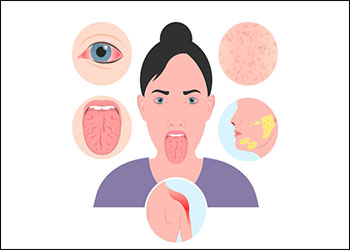
Overview of Sjogren’s Syndrome (SS)
Sjogren’s syndrome is a chronic autoimmune disorder that primarily affects the glands responsible for producing moisture in the body. It results in widespread dryness, including:
Eyes, mouth, and throat
Skin and nose
Vagina
Beyond dryness, SS may cause complications such as:
Abnormal liver and kidney function
Lymphomas (cancerous tumors in lymph nodes)
SS predominantly affects women, and symptoms often emerge around menopause, when estrogen levels begin to decline. Diagnosis can be confirmed through clinical evaluation and specific tests, including:
Autoantibodies: Anti-Ro, Anti-La, ANA
Inflammatory markers: ESR, CRP
What is Perimenopause?
Perimenopause is the transitional phase leading up to menopause, characterized by fluctuating and declining levels of estrogen and progesterone. This hormonal shift can cause:
Menstrual irregularities
Physical discomforts (e.g., hot flashes, dryness)
Emotional changes (e.g., mood swings, depression)
How Do Sjogren’s Syndrome and Perimenopause Intersect?
Sjogren’s syndrome and perimenopause often overlap, complicating the diagnosis and management of symptoms.
Key Connections Between the Two Conditions:
1. Exacerbation of Dryness:
SS causes dryness in the eyes, mouth, vagina, throat, and nose.
Estrogen decline during perimenopause further worsens vaginal dryness, aggravating discomfort.
2. Fatigue and Joint Pain:
Both conditions can lead to musculoskeletal pain and fatigue, making it challenging to distinguish between the two.
3. Shared Age of Onset:
Sjogren’s symptoms often begin around menopause, coinciding with the sharp decline in female sex hormones.
4. Cognitive and Mood Changes:
Brain fog, mood swings, insomnia, and depression are common in both conditions.
SS may cause neuroinflammation, while menopause is driven by hormonal fluctuations.
5. Immune System Fluctuations:
Hormonal shifts during perimenopause can alter immune activity, potentially worsening autoimmune conditions like SS.
6. Vaginal Atrophy:
Both conditions contribute to vaginal atrophy, manifesting as:
Thinning of pubic hair
Loss of vaginal rugae
Decreased vaginal moisture
Narrowing of the vaginal introitus
Management Strategies for Sjogren’s Syndrome and Perimenopause
1. Symptomatic Relief for Dryness:
Dry eyes: Artificial tears or lubricating eye drops
Dry mouth: Saliva substitutes or sipping water frequently
Vaginal dryness:Vaginal moisturizers or lubricants
2. Targeted Treatments for Sjogren’s Syndrome:
Medications
Hydroxychloroquine
Steroids (for flare-ups)
DMARDs (Disease-Modifying Anti-Rheumatic Drugs) under specialist guidance
Pain Management: Anti-inflammatory painkillers as needed
3. Hormone Replacement Therapy (HRT):
Helps alleviate menopause-related symptoms like hot flashes, vaginal dryness, and bone loss.
Must be used under expert supervision due to potential risks.
4. Lifestyle and Dietary Modifications:
Diet
Rich in omega-3 fatty acids (e.g., fish, walnuts)
High in antioxidants (e.g., fruits, vegetables)
Balanced nutrition to support immunity and hormonal health
Stress Management
Techniques like yoga, meditation, or acupuncture
Exercise: Regular activity to maintain joint health and reduce fatigue
5. Bone Health Monitoring:
Both conditions can increase the risk of osteoporosis. Regular bone density scans are crucial.
6. Multidisciplinary Care:
Regular consultations with a rheumatologist for Sjögren’s syndrome.
Periodic evaluation by a gynecologist to manage perimenopause symptoms.
Takeaway
Sjogren’s syndrome and perimenopause share overlapping symptoms, particularly dryness, fatigue, and cognitive changes, making their management complex. A multifaceted approach, including symptom-specific treatments, hormonal support, and lifestyle modifications, is essential to improve quality of life. Regular monitoring and a team-based care model ensure better outcomes.