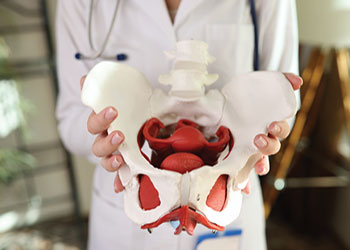
Pelvic Floor Health: The Foundation of Women’s Well-Being
The pelvic floor is a group of muscles and tissues located at the base of the pelvis, providing essential support to organs like the bladder, uterus, and rectum. Despite its importance, pelvic floor health often goes unnoticed—until issues arise. Let’s explore the significance of pelvic floor health, common conditions, and tips to maintain or restore its function.
What Is the Pelvic Floor?
The pelvic floor acts like a hammock, supporting pelvic organs, controlling bladder and bowel movements, and contributing to sexual health. It plays a crucial role in:
Core Stability: Collaborates with the abdominal and back muscles.
Urinary and Bowel Control: Regulates the release of urine and stool.
Reproductive Health: Supports the uterus during pregnancy and aids in childbirth.
Signs of Pelvic Floor Dysfunction
Pelvic floor dysfunction occurs when the muscles are too weak, too tight, or fail to coordinate properly. Symptoms may include:
Incontinence: Leaking urine or stool during activities like sneezing, laughing, or exercising.
Pelvic Pain: Discomfort in the lower abdomen, pelvis, or genitals.
Prolapse: A feeling of heaviness or bulging in the vagina due to pelvic organs descending.
Sexual Dysfunction: Pain during intercourse or difficulty achieving satisfaction.
Common Causes of Pelvic Floor Issues
Pregnancy and Childbirth: Strain during pregnancy and vaginal delivery can weaken the pelvic floor.
Aging and Menopause: Hormonal changes and natural muscle weakening over time.
Chronic Strain: Conditions like constipation, coughing, or obesity put pressure on the pelvic floor.
Injury or Surgery: Pelvic surgeries or trauma can disrupt muscle function.
Preventing and Maintaining Pelvic Floor Health
1. Pelvic Floor Exercises (Kegels)
How to Do Them: Contract the muscles used to stop urination, hold for 5 seconds, then release. Repeat 10–15 times daily.
Benefits: Strengthens muscles, prevents incontinence, and enhances sexual function.
2. Maintain a Healthy Weight
Excess weight increases pressure on the pelvic floor, leading to dysfunction over time.
3. Stay Hydrated and Eat Fiber-Rich Foods
Prevent constipation, a major cause of pelvic floor strain.
4. Practice Good Posture
Proper posture during sitting and standing helps distribute pressure evenly across the core and pelvis.
5. Avoid Heavy Lifting
If lifting is necessary, use proper techniques and engage the pelvic floor for support.
6. Seek Professional Help
Pelvic Floor Physical Therapy: A specialist can guide exercises and techniques tailored to your needs.
Biofeedback: Technology helps monitor and train pelvic floor muscle function.
Treating Pelvic Floor Disorders
Lifestyle Adjustments: Diet changes, weight management, and quitting smoking.
Medications: For conditions like overactive bladder or pelvic pain.
Surgical Interventions: For severe cases, such as advanced prolapse.
When to See a Specialist
Don’t ignore symptoms of pelvic floor dysfunction. Early intervention improves outcomes and quality of life. Consult a gynecologist, urologist, or pelvic floor physical therapist if you experience:
Persistent incontinence
Pelvic pain or pressure
Difficulty with bowel movements or urination
Takeaway
Pelvic floor health is a cornerstone of overall well-being for women, impacting daily life, physical fitness, and emotional health. By incorporating simple preventive measures, staying informed, and seeking help when needed, women can maintain a strong, functional pelvic floor throughout all stages of life.
Your pelvic floor deserves care—just like the rest of you.