Endometriosis: A Chronic and Often Misunderstood Condition
What is Endometriosis?
Endometriosis is a chronic condition where tissue similar to the lining of the uterus (endometrium) grows outside the uterus. This can lead to severe pain, inflammation, and, in some cases, infertility. Despite its prevalence, endometriosis is often underdiagnosed and misunderstood.
How Common is Endometriosis?
Endometriosis affects approximately 6-10% of women worldwide, with many cases remaining undiagnosed due to overlapping symptoms with other conditions.
Where Does Endometriosis Occur?
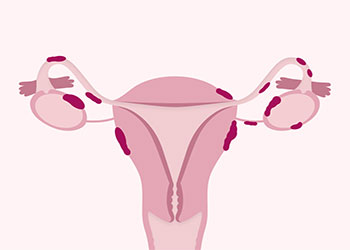
Endometriosis can develop in various parts of the body, most commonly in the pelvic region.
Common Sites of Endometriosis:
Space behind the uterus (Pouch of Douglas)
Myometrium
Peritoneum (lining of the abdominal cavity)
Fallopian tubes
Less Common Sites:
Rectum
Bladder
Intestines
Diaphragm and lungs
What Causes Endometriosis?
The exact cause of endometriosis remains unknown, but several theories exist:
Retrograde Menstruation: Menstrual blood flows backward into the pelvic cavity instead of leaving the body.
Peritoneal Cell Transformation
Embryonic Cell Changes
Endometrial Cell Transport: Blood or lymphatic vessels may carry endometrial cells to other parts of the body.
Surgical Scar Implantation
Immune System Dysfunction
Signs and Symptoms of Endometriosis
Symptoms vary from mild to severe, and some women may have no symptoms at all.
Painful periods (dysmenorrhea): Intense cramps before and during menstruation.
Excessive menstrual bleeding: Heavy periods or bleeding between cycles.
Pain during or after sex: Deep pelvic pain.
Pain with bowel movements or urination: Especially during menstruation.
Infertility: One of the most common complications of endometriosis.
Stages of Endometriosis
Endometriosis is classified into four stages based on the severity of lesions and their spread:
Minimal (Stage 1): Small, superficial lesions, little to no scarring.
Mild (Stage 2): More lesions, slightly deeper involvement.
Moderate (Stage 3): Deep lesions, scar tissue, and ovarian cysts (endometriomas).
Severe (Stage 4): Widespread lesions, extensive scarring, large cysts, and potential organ involvement.
How is Endometriosis Diagnosed?
Since symptoms overlap with other conditions, a proper diagnosis is crucial.
Clinical Diagnosis: A specialist can suspect endometriosis based on medical history, symptoms, and a pelvic examination.
Non-Invasive imaging:i Transvaginal ultrasound (TVUS) can help detect ovarian cysts, but it cannot confirm endometriosis.
Laparoscopy (Gold Standard): A minimally invasive surgery where a camera is inserted into the abdomen to visualize and biopsy endometriotic lesions for a confirmed diagnosis.
Conditions That Mimic Endometriosis
Several conditions have overlapping symptoms, making diagnosis challenging. These include:
Irritable Bowel Syndrome (IBS)
Interstitial Cystitis/Painful Bladder Syndrome
Fibromyalgia
Migraines
A thorough evaluation is necessary to differentiate these conditions.
Treatment and Management of Endometriosis
While there is no cure for endometriosis, various treatment approaches can help manage symptoms and improve quality of life.
1. Medical Management:
Non-Steroidal Anti-Inflammatory Drugs (NSAIDs): For pain relief.
Hormonal Therapy: Under expert supervision, hormonal treatments like birth control pills, GnRH agonists, or progesterone therapy can help manage symptoms.
2. Surgical Options:
Laparoscopic Surgery
Diagnostic Laparoscopy: Confirms the presence of endometriosis.
Operative Laparoscopy: Removes lesions, scar tissue, and cysts to improve symptoms and fertility.
3. Lifestyle and Holistic Interventions:
Anti-Inflammatory Diet: A diet rich in fruits, vegetables, omega-3 fatty acids, and low in processed foods may help reduce inflammation.
Exercise: Helps regulate hormones and reduce pain.
Pelvic Physiotherapy: Strengthens pelvic muscles and alleviates pain.
4. Fertility Options for Women with Endometriosis:
In Vitro Fertilization (IVF): A viable option for those struggling with infertility due to endometriosis.
Surgical Removal of Lesions: May improve fertility in some cases.
5. Mental Health and Emotional Well-Being
Support groups, therapy, and mindfulness techniques can help women navigate the emotional challenges.
6. The Importance of Awareness and Early Diagnosis
Many women wait years for a diagnosis due to the normalization of period pain.
Educating young women about menstrual health can lead to earlier diagnosis and better management.
Advocacy for better treatment options and more research is essential to improving outcomes for those living with endometriosis.